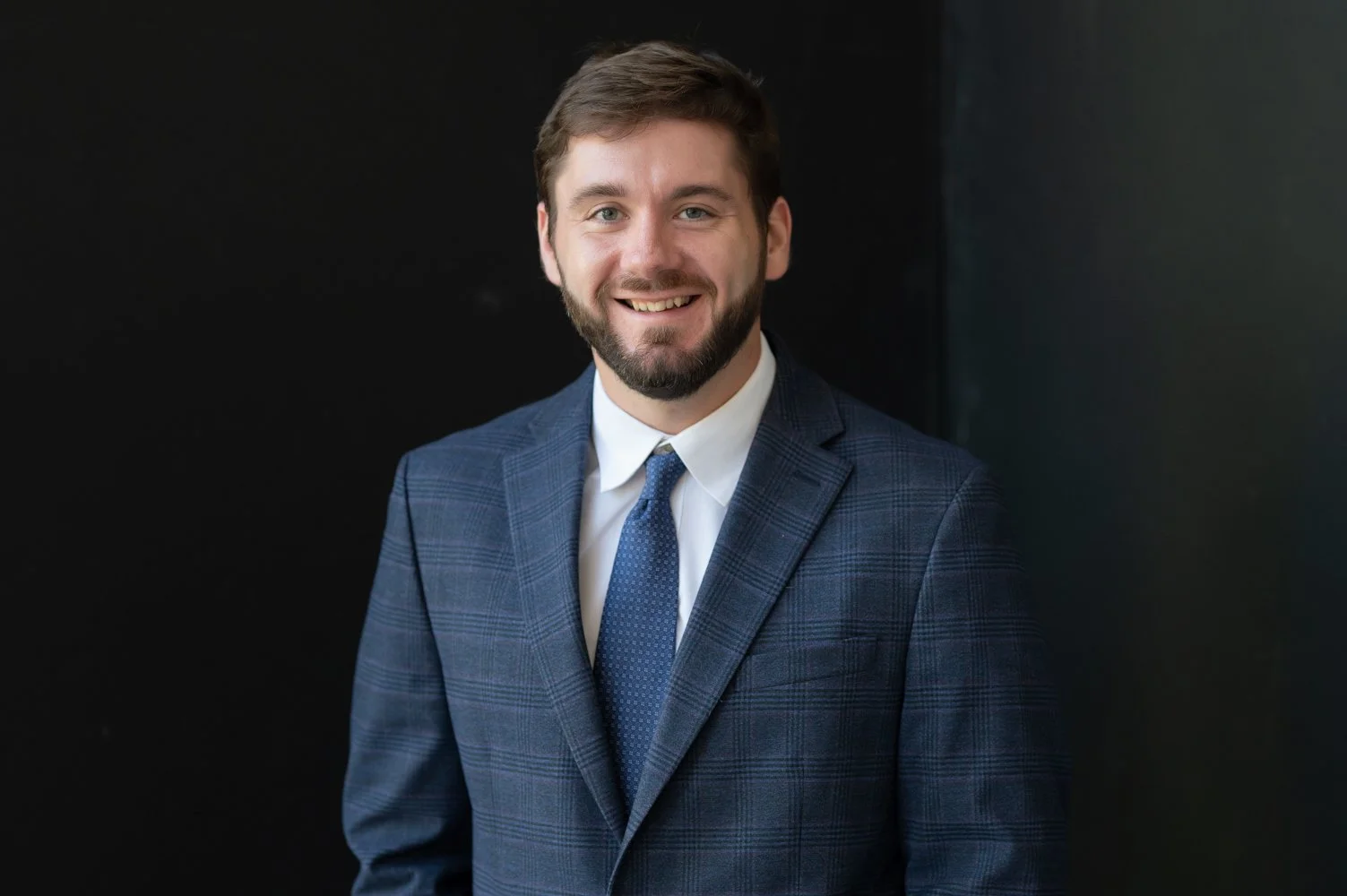
James J. Fahey
American politics: misinformation, political misperceptions, and democratic attitudes.
I am an Assistant Professor of Political Science at the University of Memphis studying misinformation, political misperceptions, populism, and democratic attitudes. I previously served as an Assistant Professor at the University of North Florida and received my Ph.D. from the University of Florida.

My research examines political attitudes and behavior, with particular attention to misperceptions, conspiracy theories, anti-immigrant prejudice, and support for far-right parties. Using survey experiments and observational data, I study why individuals come to hold illiberal and anti-democratic beliefs and how these beliefs can be reduced.

I also conduct research on survey experimental methodology and open science practices, including work evaluating the effectiveness of preregistration plans and other transparency reforms in political science.

My work has been published or is forthcoming in The Journal of Politics,  The Journal of Experimental Political Science, Electoral Studies, and more. You can find more information about my ongoing work, experience, and contact information above.
Featured (recent) research
Admissions-as-corrections reduce support for partisan misperceptions and intended partisan media consumption
Journal of Politics (Registered Report), 2026. 88(4). doi: 10.1086/736803
Using a set of preregistered experiments, I introduce and test a novel form of misperception correction—“admissions-as-corrections,” in which elites who previously spread misinformation later acknowledge the claim was false. The findings show that such admissions significantly reduce partisan misperceptions, decrease trust in misinformation sources, and reduce intended consumption of partisan media.
Tear down this (fire)wall? How uncertainty surrounding the cordon sanitaire affected attitudes in Germany’s 2025 election.(with H.M. Alarian).
German Politics and Society, 2026. 43(4), 59-74. doi: 10.3167/gps.2025.430404.
Using a survey experiment fielded during the 2025 German federal election, this study tests whether accommodating or excluding the far-right AfD affects voter attitudes. The results show that neither breaching nor maintaining the Brandmauer meaningfully influences party approval, democratic satisfaction, vote choice, or immigration attitudes, suggesting that the maintenance of the firewall is necessary but not sufficient to prevent democratic erosion.